Invest in the Lakes Region
Commercial, multi-family, and income properties in one of New England's most sought-after markets. Local expertise from Wolfeboro's oldest real estate firm.
Why the Lakes Region?
New Hampshire's Lakes Region combines natural scarcity with growing demand — a combination that has driven steady appreciation for decades. No state income tax and no sales tax make NH particularly attractive for investors.
Strong Seasonal Demand
Lake Winnipesaukee is New England's premier summer destination. Vacation rental occupancy runs high from Memorial Day through Labor Day, with growing shoulder-season demand.
Limited Waterfront Supply
There will never be more lakefront. Strict shoreline regulations and limited buildable lots make existing waterfront properties an increasingly scarce asset.
Year-Round Tourism Growth
The Lakes Region attracts visitors year-round — summer boating, fall foliage, winter skiing, and spring hiking keep the local economy active across all four seasons.
1031 Exchange Friendly
The region's diverse inventory — from multi-family homes to commercial storefronts — offers qualified intermediary-eligible properties for tax-deferred exchanges.
Property Types We Serve
Multi-Family
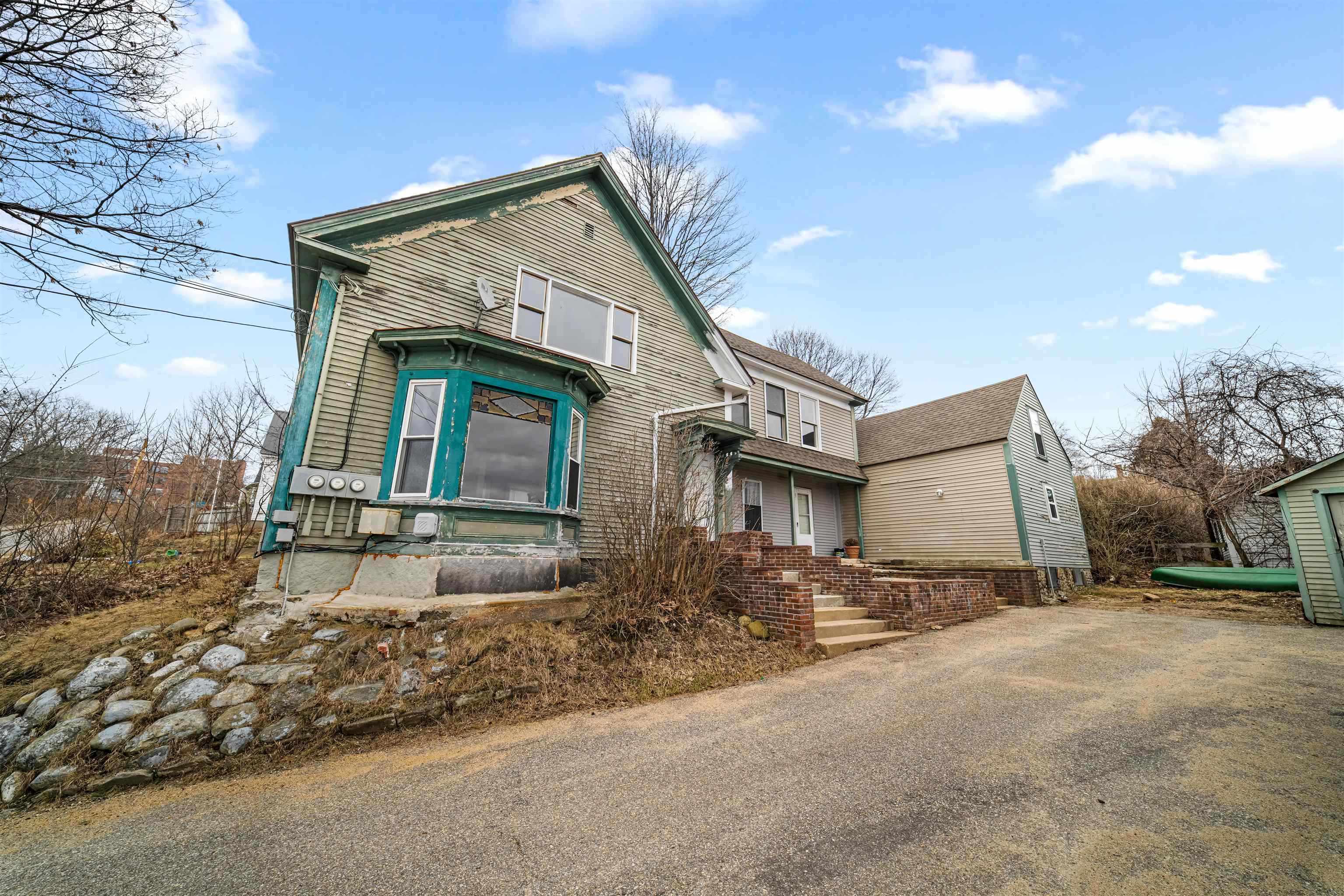
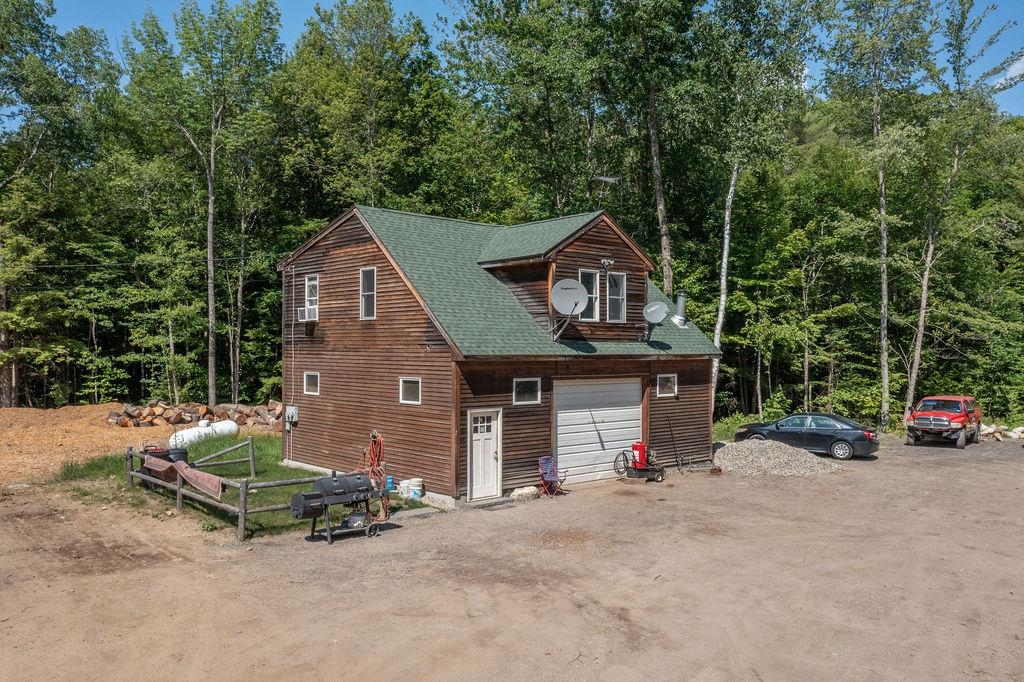
Duplexes, triplexes, and small apartment buildings near lake towns with strong year-round rental demand.
See a real example
Multi-Family
Duplexes, triplexes, and small apartment buildings near lake towns with strong year-round rental demand.
See a real exampleA couple in their 50s owns a duplex in southern NH that they’ve landlorded for 15 years. They’re tired of tenant calls and the property has appreciated from $230K to $420K. They 1031 into a three-bedroom waterfront cottage on Winnipesaukee for $475K (adding some cash at closing). They rent it Saturday-to-Saturday through our program at $3,000–4,500/week during peak summer, generating $35K+ in seasonal rental income. No more midnight maintenance calls, and in a few years when they retire, they can convert it to their primary residence.
Common questionsCommercial
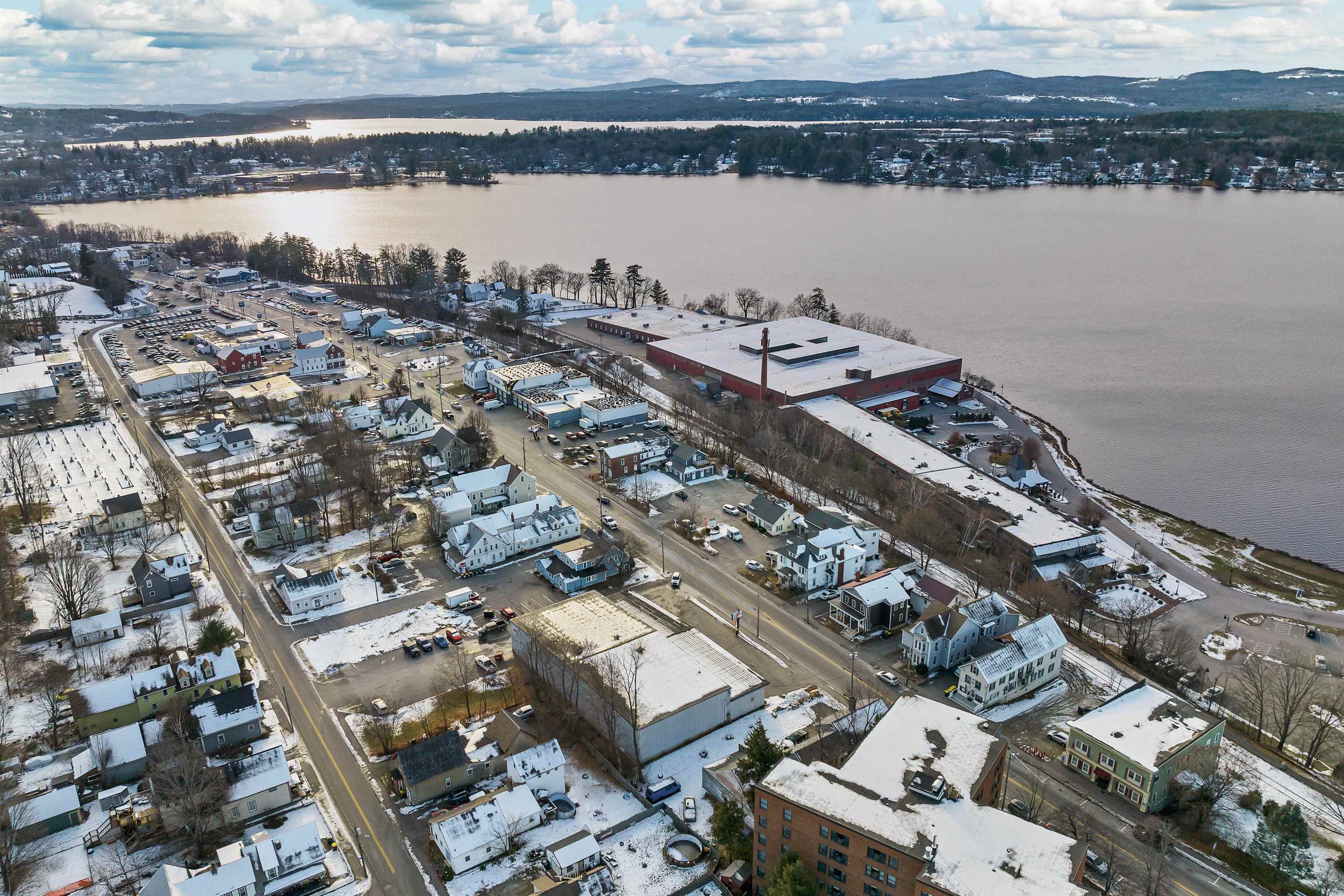
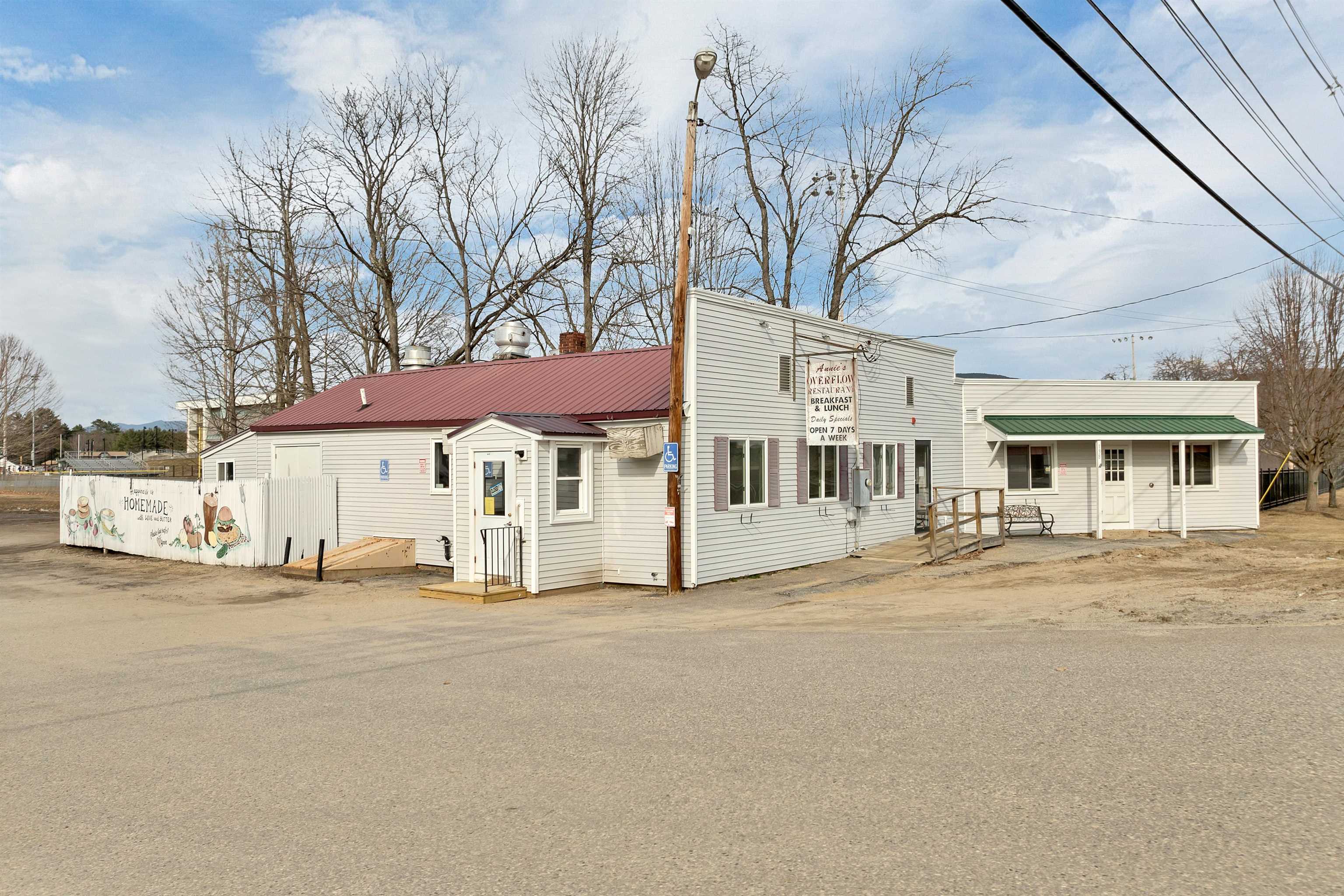
Retail, office, and mixed-use properties in Wolfeboro, Meredith, Laconia, and other lake-town centers.
See a real example
Commercial
Retail, office, and mixed-use properties in Wolfeboro, Meredith, Laconia, and other lake-town centers.
See a real exampleAn investor in Connecticut sells a small commercial building for $650K with $200K in gains. Between federal capital gains, depreciation recapture, and CT state tax, the tax bill would be close to $80K. Instead, they 1031 into a mixed-use property in Wolfeboro’s downtown. The building has retail tenants on the ground floor and residential above. New Hampshire charges no state income tax on the rental income. The $80K they would have paid in taxes is now working for them inside the property.
Common questions1031 Exchange
Defer capital gains by exchanging into Lakes Region investment property. We work with qualified intermediaries and tax advisors.
See a real example
1031 Exchange
Defer capital gains by exchanging into Lakes Region investment property. We work with qualified intermediaries and tax advisors.
See a real exampleYou own a rental condo in Massachusetts that you bought for $150K and it’s now worth $220K. You sell it, and instead of paying federal capital gains on the ~$70K gain (which could be $15–20K+ in taxes), you use a 1031 exchange to buy a two-bedroom condo near Weirs Beach for $240K. You add a little cash to cover the difference, defer the entire gain, and now you own a lakeside property that rents for $1,500–2,000/week in summer. You’ve moved your investment to a stronger rental market with no state income tax — and you didn’t write a check to the IRS.
Common questionsWaterfront Income
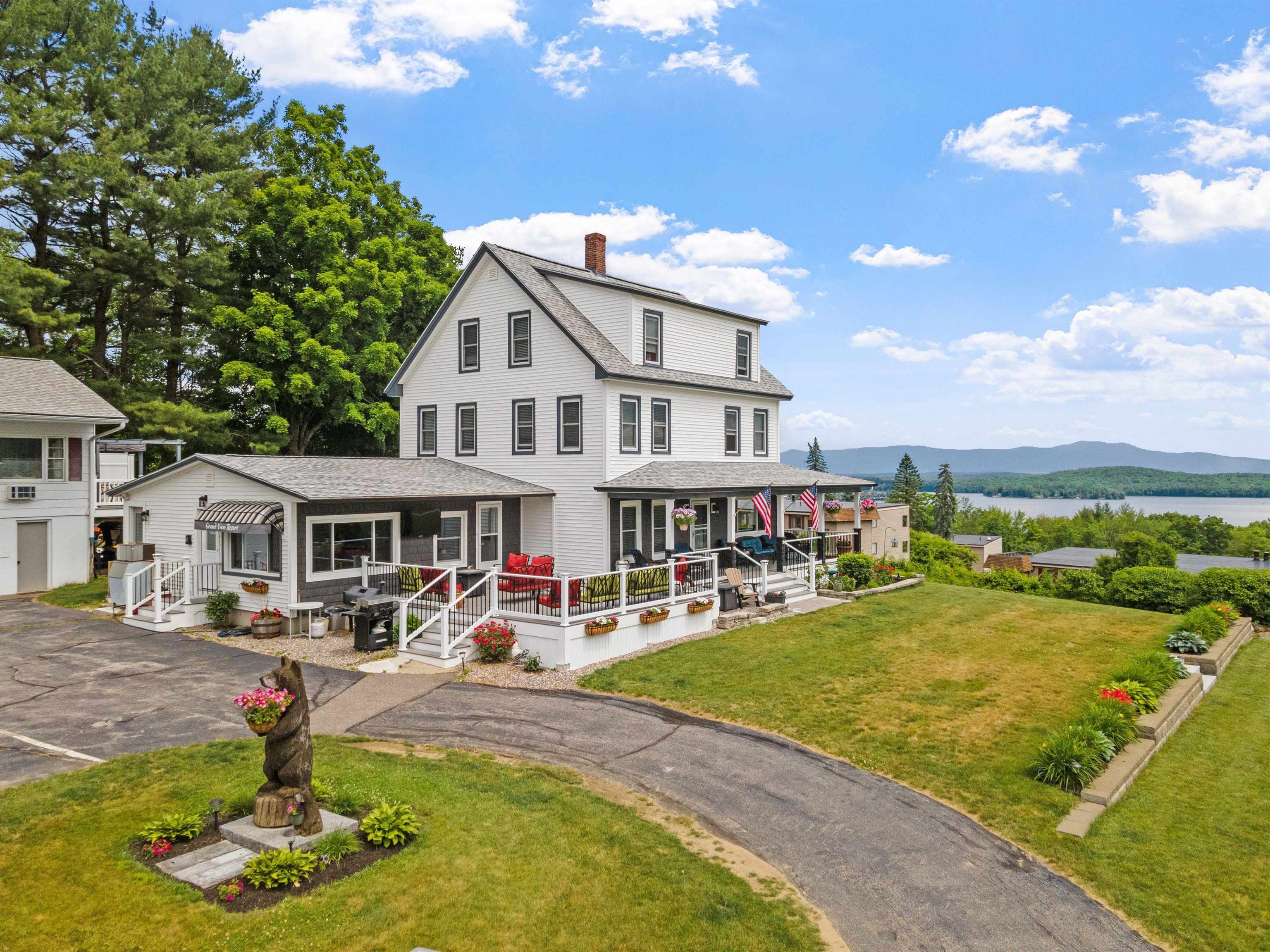
Lake houses that generate premium weekly rental income in summer and appreciate steadily year over year.
See a real example
Waterfront Income
Lake houses that generate premium weekly rental income in summer and appreciate steadily year over year.
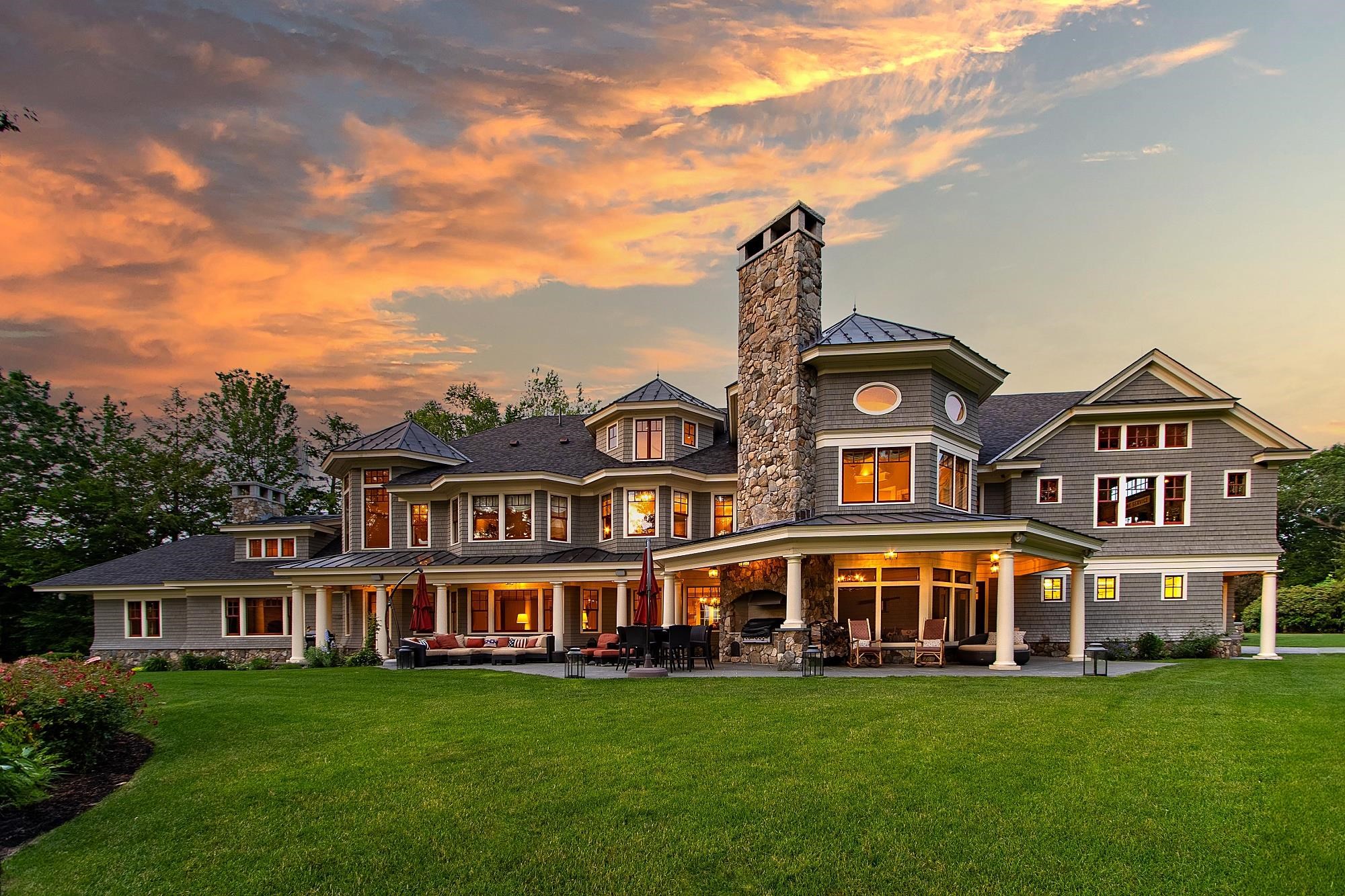
See a real exampleA family buys a three-bedroom house on Winnipesaukee for $525K. They use it themselves for two weeks each summer and rent the remaining 8–10 peak weeks at $3,500–4,500/week through our Saturday-to-Saturday program. That’s $30–40K in gross rental income. After management fees and expenses, the property covers its own mortgage, taxes, and maintenance — and the family has a lake house they actually use. Meanwhile, waterfront values on Winnipesaukee have appreciated steadily. They’re building equity and creating summer memories at the same time.
Common questionsThese are illustrative examples, not guarantees of specific outcomes. Rental income, appreciation, and tax savings depend on the specific properties and your individual situation.
Commercial & Multi-Family For Sale
5 multi-family · 7 commercial in the Lakes Region
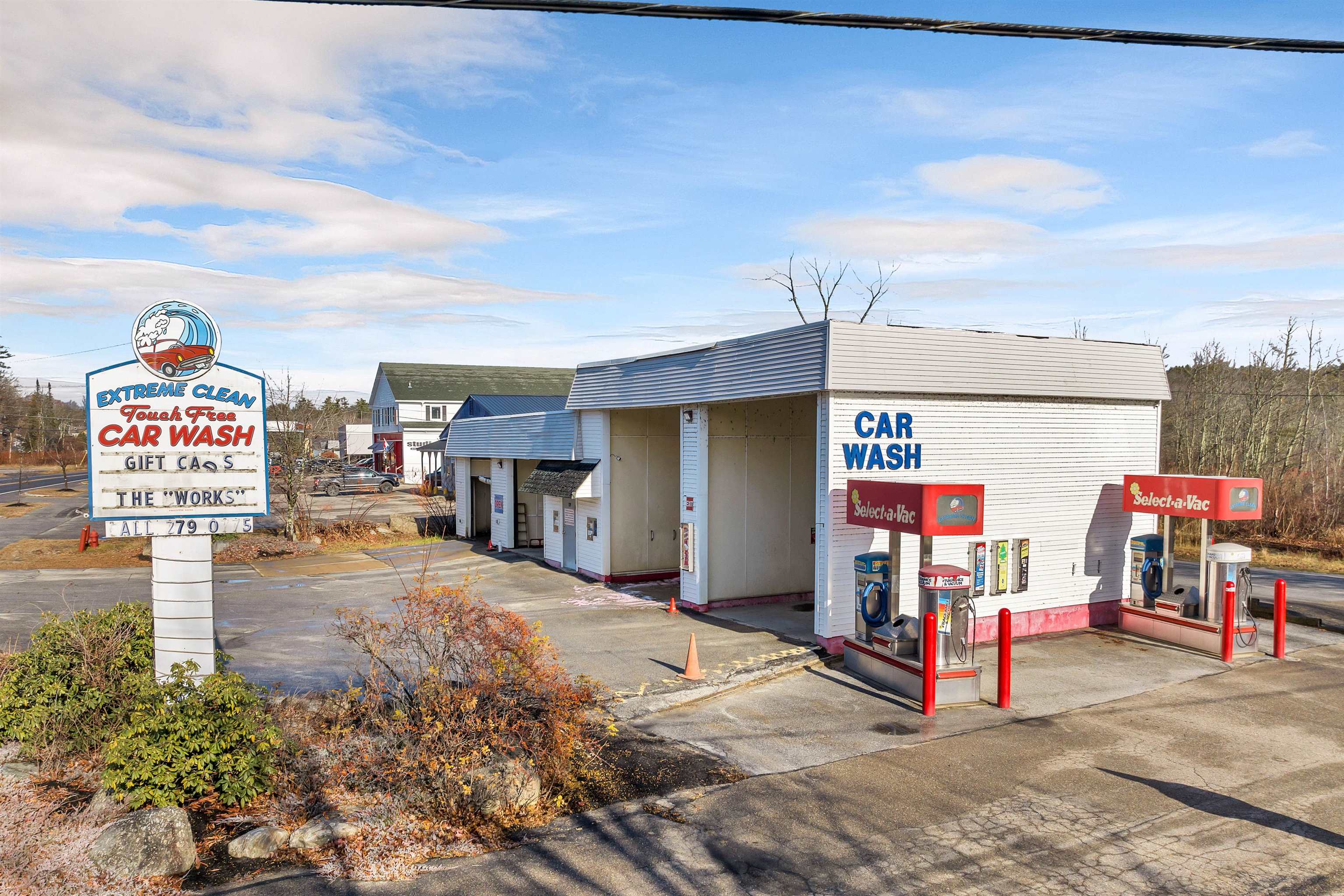
1 Bay Street
Wolfeboro, NH
2.2 ac
Listed by KW Coastal and Lakes & Mountains Realty/Wolfeboro
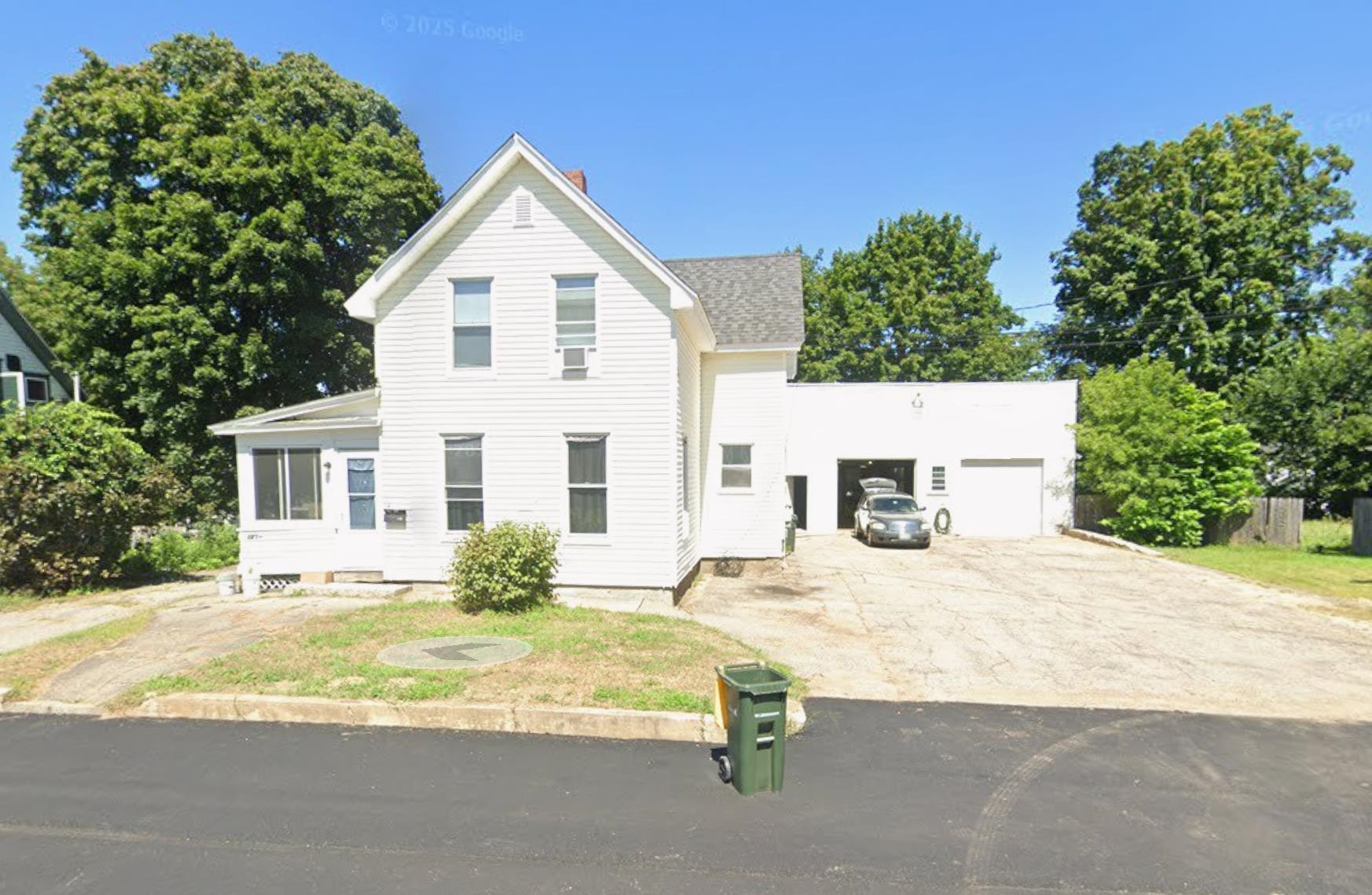
17 Bay Street
Wolfeboro, NH
0.3 ac
Listed by KW Coastal and Lakes & Mountains Realty/Wolfeboro
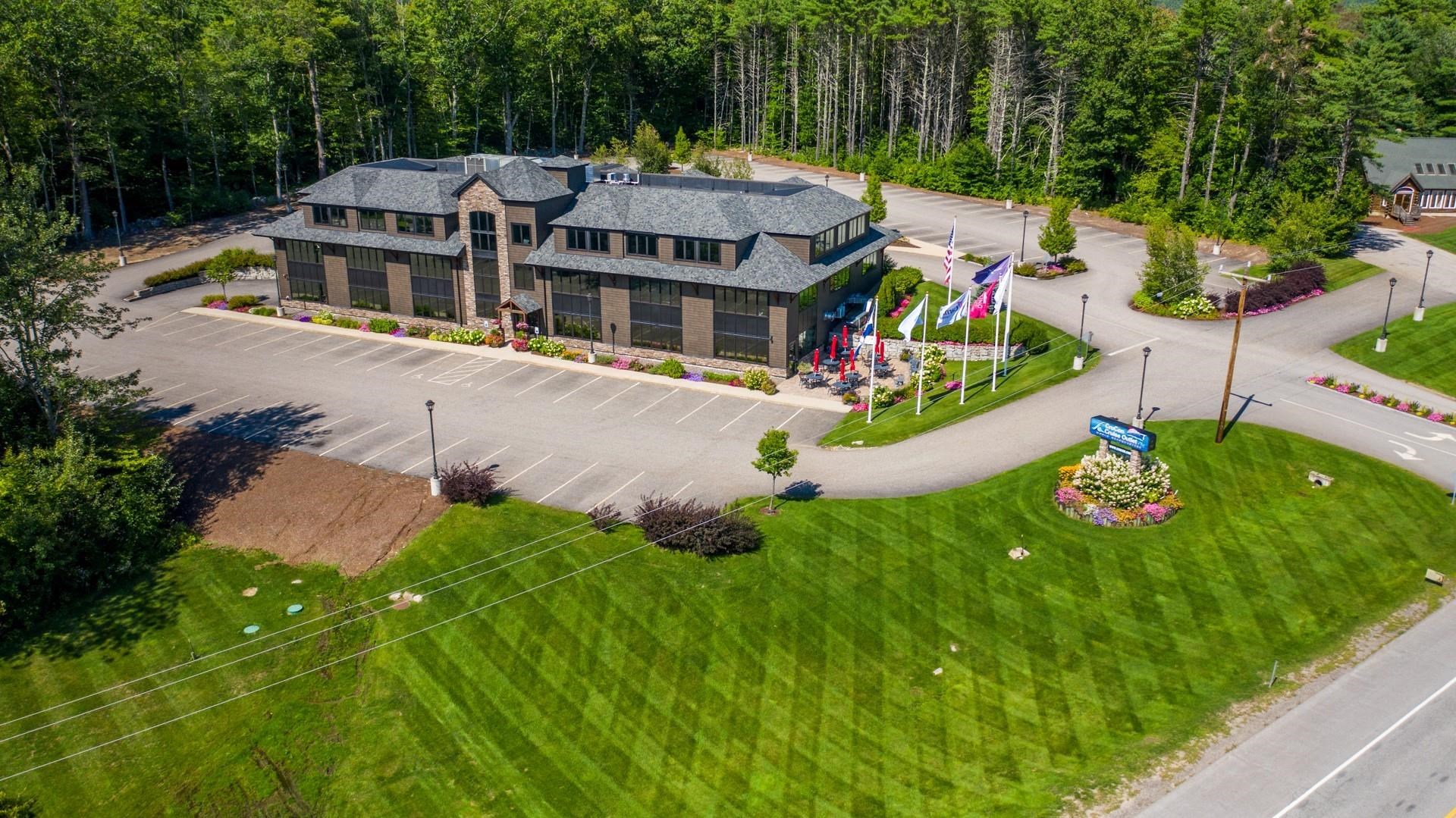
601 Main Street
Laconia, NH
0.3 ac
Listed by KW Coastal and Lakes & Mountains Realty/Wolfeboro
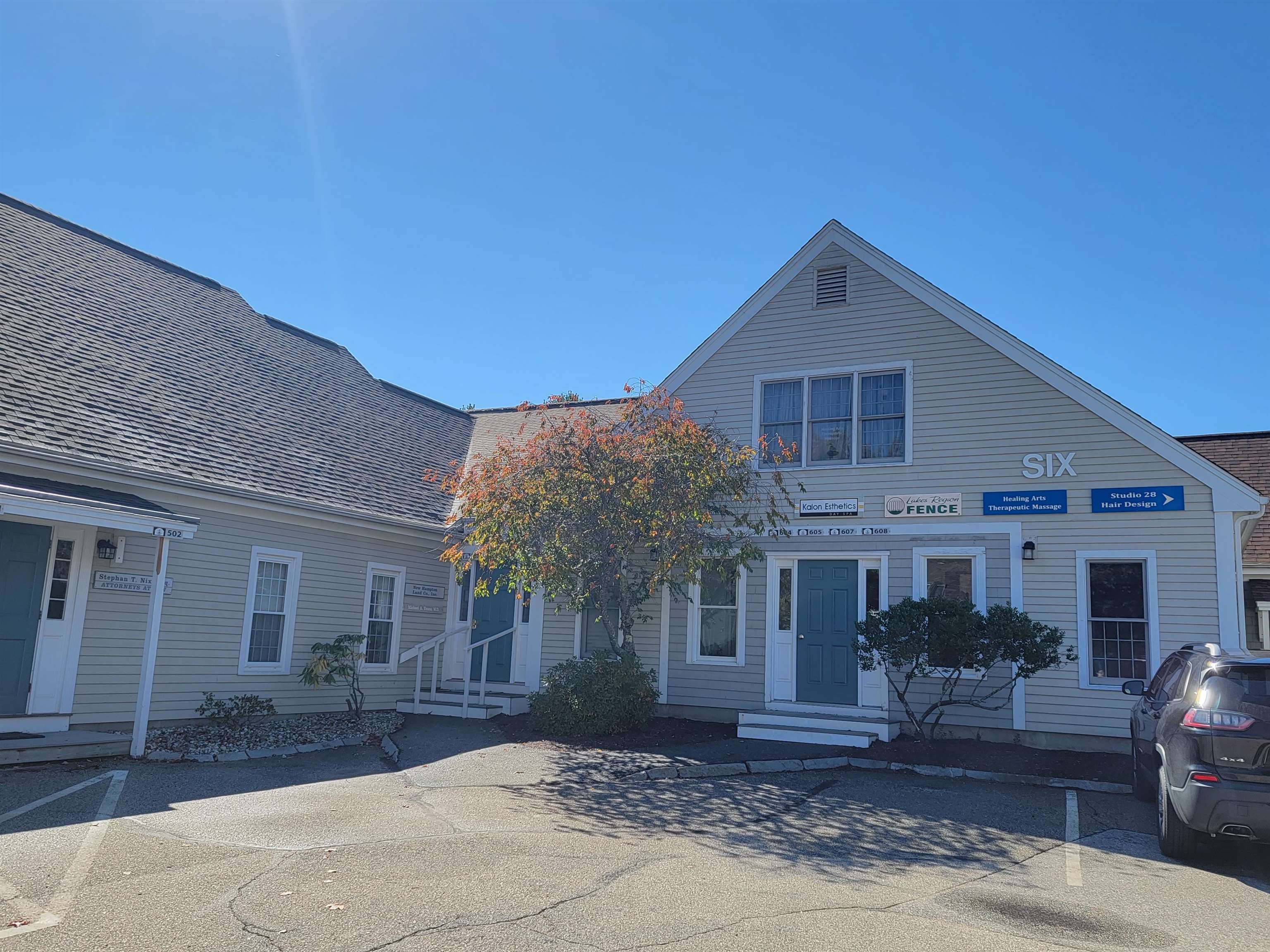
49 Glendale Place
Gilford, NH
1.0 ac
Listed by BHHS Verani Meredith
691 Endicott Street N
Laconia, NH
1.0 ac
Listed by Roche Realty Group
45 NH Route 25
Meredith, NH
0.5 ac
Listed by Clear Lakes Properties Llc
686-716 Union Avenue
Laconia, NH
16,364 sqft | 1.1 ac
Listed by Waterfield Realty & Management LLC
736 Union Avenue
Laconia, NH
3,135 sqft | 0.1 ac
Listed by Waterfield Realty & Management LLC
82-84 Sheridan Street
Laconia, NH
2,160 sqft | 0.3 ac
Listed by Waterfield Realty & Management LLC
1073 Union Avenue
Laconia, NH
2,656 sqft | 0.3 ac
Listed by Waterfield Realty & Management LLC
24 Baldwin Street
Laconia, NH
5,049 sqft | 0.1 ac
Listed by Waterfield Realty & Management LLC
4 Stevens Avenue
Meredith, NH
0.7 ac
Listed by Meredith Landing Real Estate LLC
Listing data provided by PrimeMLS. Copyright 2026 PrimeMLS, Inc. All rights reserved.
Your Guide to Lakes Region Investment
Geordy Hutchinson has spent over 30 years building, renovating, and managing properties across the Lakes Region. As owner of Yankee Pedlar, he brings firsthand knowledge of local zoning, building codes, septic requirements, and the nuances of waterfront regulations.
Whether you're evaluating a multi-family conversion, a commercial storefront in downtown Wolfeboro, or a 1031 exchange into lakefront income property, Geordy can walk you through what the numbers actually look like — and what to watch out for.
Geordy Hutchinson
30+ years in Lakes Region construction, renovation, and real estate
Frequently Asked Questions
Answers organized by investment type. Click any category to jump, or scroll through them all.
Multi-Family
What kind of multi-family properties are available in the Lakes Region?
You’ll find duplexes and triplexes in walkable lake towns like Wolfeboro, Laconia, and Meredith, as well as small apartment buildings (4–10 units) in year-round towns like Gilford and Belmont. Many are older New England homes that have been converted to multi-unit — they rent well to both year-round tenants and seasonal workers.
Is there year-round rental demand, or just summer?
Year-round. The Lakes Region has a permanent population that needs housing, plus seasonal demand from hospitality workers, ski-season tenants, and summer tourism staff. Multi-family properties in towns like Laconia and Meredith typically have waiting lists for year-round units. Summer lake towns add a seasonal premium on top.
Can I manage a multi-family remotely?
Yes — many multi-family owners in the Lakes Region are out-of-state investors. Local property management companies handle tenant placement, maintenance, and rent collection. Typical management fees run 8–10% of collected rent. We can connect you with established managers who specialize in the area.
Commercial
What types of commercial properties sell in the Lakes Region?
The most common are mixed-use buildings (retail/restaurant on ground floor, apartments above) in downtown Wolfeboro, Meredith, and Laconia. You’ll also see standalone retail, small office buildings, and hospitality-adjacent properties like marinas and storage facilities. Inventory is limited — these towns have small, historic downtowns and tight zoning.
How does seasonal tourism affect commercial tenants?
Retail and restaurant tenants in lake towns see dramatic summer surges, but the strongest commercial investments have year-round tenants or a mix of both. A mixed-use building with year-round apartments above and a seasonal restaurant below, for example, generates income in both seasons. Towns like Wolfeboro and Meredith have grown enough to support year-round foot traffic, not just summer.
Are commercial properties eligible for 1031 exchanges?
Absolutely. Commercial real estate is one of the most straightforward 1031 exchange categories. You can exchange a commercial building in one state for commercial (or any other investment) property in NH. Mixed-use properties count too. The same 45/180-day deadlines and Qualified Intermediary requirements apply.
1031 Exchange
What is a 1031 exchange?
Named after Section 1031 of the Internal Revenue Code, a 1031 exchange (also called a “like-kind exchange” or “Starker exchange”) allows you to sell an investment or business-use property and defer all capital gains taxes by reinvesting the proceeds into another qualifying property. The tax isn’t eliminated — it’s deferred until you eventually sell without exchanging. Many investors chain 1031s for decades, deferring gains across multiple properties.
What counts as “like-kind” property?
The definition is broader than most people expect. Any real property held for investment or business use can be exchanged for any other real property held for the same purpose. An apartment building in Boston can be exchanged for raw land in Moultonborough, a commercial storefront in Wolfeboro, or a waterfront vacation rental on Winnipesaukee — as long as both properties are held for investment or business use (not as a primary residence).
What are the deadlines?
There are two strict, non-extendable deadlines once you close on the sale of your relinquished property. 45 days — you must identify up to three potential replacement properties in writing to your Qualified Intermediary. 180 days — you must close on one or more of those identified properties. No extensions, even if the 180th day falls on a holiday. This is why it helps to start looking at replacement properties before you list your current one.
Can I exchange into a vacation rental on the lake?
Yes — this is one of the most popular 1031 strategies in the Lakes Region. A lakefront property rented out on a weekly basis qualifies as investment property. The key is that the replacement property must be held primarily for investment or rental income, not primarily for personal use. You can use the property yourself for a limited number of days per year (the IRS safe harbor is 14 days or 10% of the days it’s rented, whichever is greater), but the primary purpose must be rental income.
Do I need a Qualified Intermediary?
Yes. The IRS requires that a Qualified Intermediary (QI) hold the proceeds from the sale. You cannot touch the money at any point during the exchange — if the funds pass through your hands or your agent’s, the exchange is disqualified. The QI must be set up before you close on the sale of your current property. Your real estate attorney, CPA, or our office can refer you to established QIs who handle Lakes Region transactions regularly.
Can I live in the replacement property later?
Eventually, yes — but not right away. The IRS expects you to hold the replacement property for investment use for a reasonable period (most tax advisors recommend at least two years of active rental). After that holding period, you may convert it to a primary residence. If you live in it for 2 of the 5 years before a future sale, you may also qualify for the Section 121 capital gains exclusion ($250K single / $500K married). This “1031-to-121” strategy is a legitimate way for people to eventually retire to the lake.
Are there NH-specific advantages?
New Hampshire has no state income tax on wages or rental income, no sales tax, and no capital gains tax at the state level. That means a 1031 exchange into NH real estate only needs to satisfy federal requirements — there’s no additional state-level recapture to worry about. For investors exchanging out of high-tax states like Massachusetts, Connecticut, or New York, this can mean significant additional savings beyond the federal deferral.
What are the risks or downsides?
The biggest risk is the timeline. If you can’t identify or close on a replacement property within the deadlines, the exchange fails and you owe capital gains on the original sale. There are also “boot” rules — if the replacement property costs less than what you sold, or you take cash out, the difference is taxable. Additionally, the replacement property carries over the original cost basis, so depreciation recapture builds up over time. None of these are deal-breakers, but they require planning.
Waterfront Income
How much rental income can a lake house actually generate?
It depends on the property, but a well-maintained 3-bedroom waterfront home on Winnipesaukee typically rents for $3,000–5,000/week during peak summer (late June through mid-August). A 4-bedroom with a dock can command $4,500–7,000+/week. Most properties rent 8–12 summer weeks. Gross seasonal income of $25,000–60,000+ is realistic for the right property. Shoulder weeks (late May, September) rent at lower rates but add to the total.
Can I use the property myself and still rent it?
Yes — most of our owners do. A typical arrangement is renting 8–10 peak summer weeks and keeping 2–4 weeks for personal use (plus off-season whenever you want). If you’re using a 1031 exchange, be aware of the IRS safe harbor: personal use should not exceed 14 days or 10% of rental days per year. Most owners find that’s plenty of personal time, especially combined with unlimited off-season access.
What does Yankee Pedlar handle as a rental manager?
We handle everything: marketing and listing your property, vetting and booking guests (Saturday-to-Saturday), collecting rent and security deposits, coordinating cleaning and linen turnover between guests, handling guest questions and issues during their stay, and seasonal opening/closing of the property. You set which weeks are available and we take care of the rest. Our commission is typically 15% of rental income.
Do waterfront properties on Winnipesaukee appreciate?
Historically, yes — and the fundamental reason is supply constraint. There are a finite number of waterfront lots on the lake and they aren’t making more shoreline. Demand from buyers in Boston, southern NH, and the northeast corridor has been strong for decades. While no investment is guaranteed, waterfront Winnipesaukee properties have shown steady long-term appreciation, even through periods where the broader market softened.
This information is for general educational purposes and does not constitute tax, legal, or financial advice. 1031 exchange rules are complex and subject to change. Consult a qualified tax advisor or attorney before making exchange decisions.
Schedule a Consultation
Whether you have a specific property in mind or want to explore what's available, we're happy to have a conversation about investment opportunities in the Lakes Region.